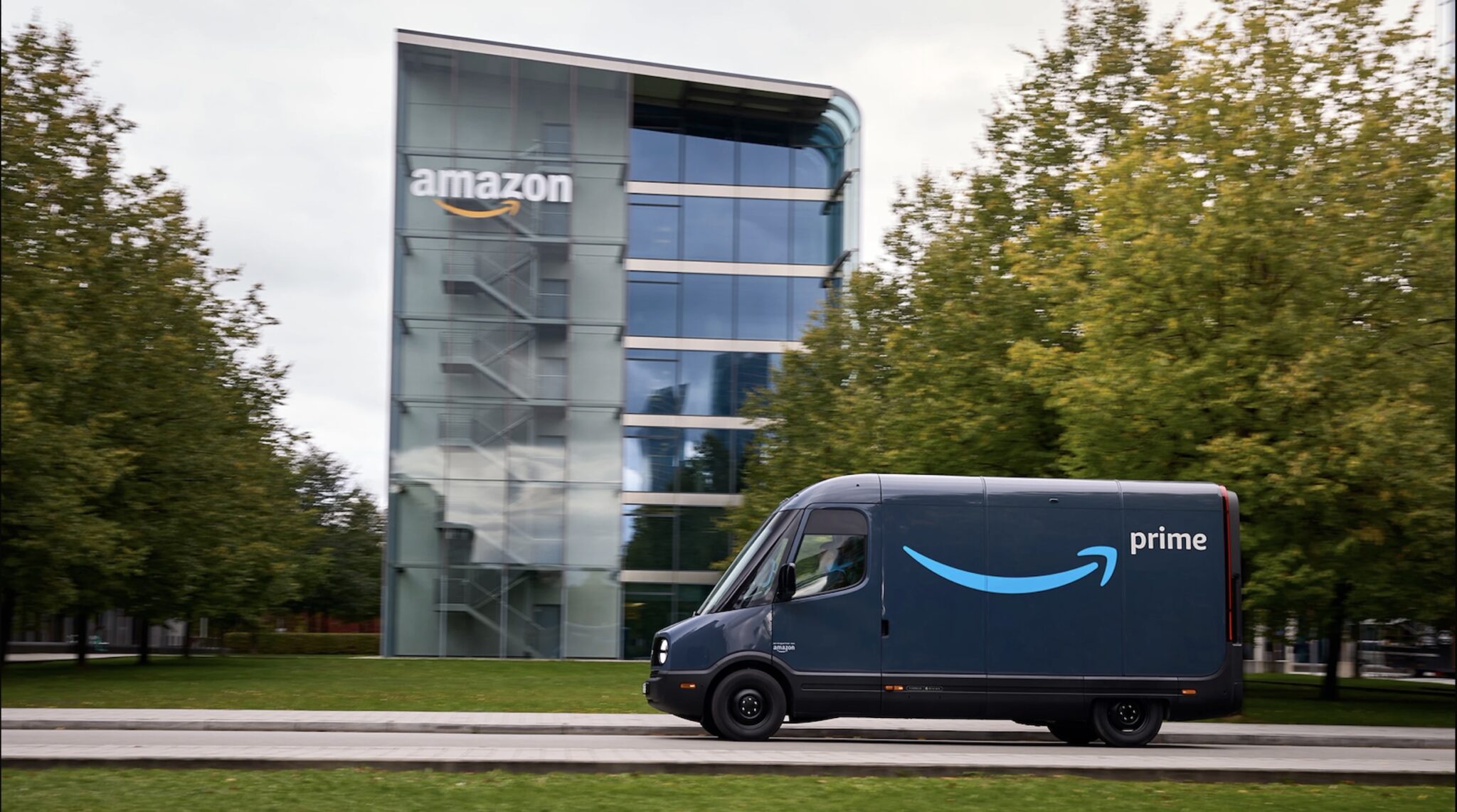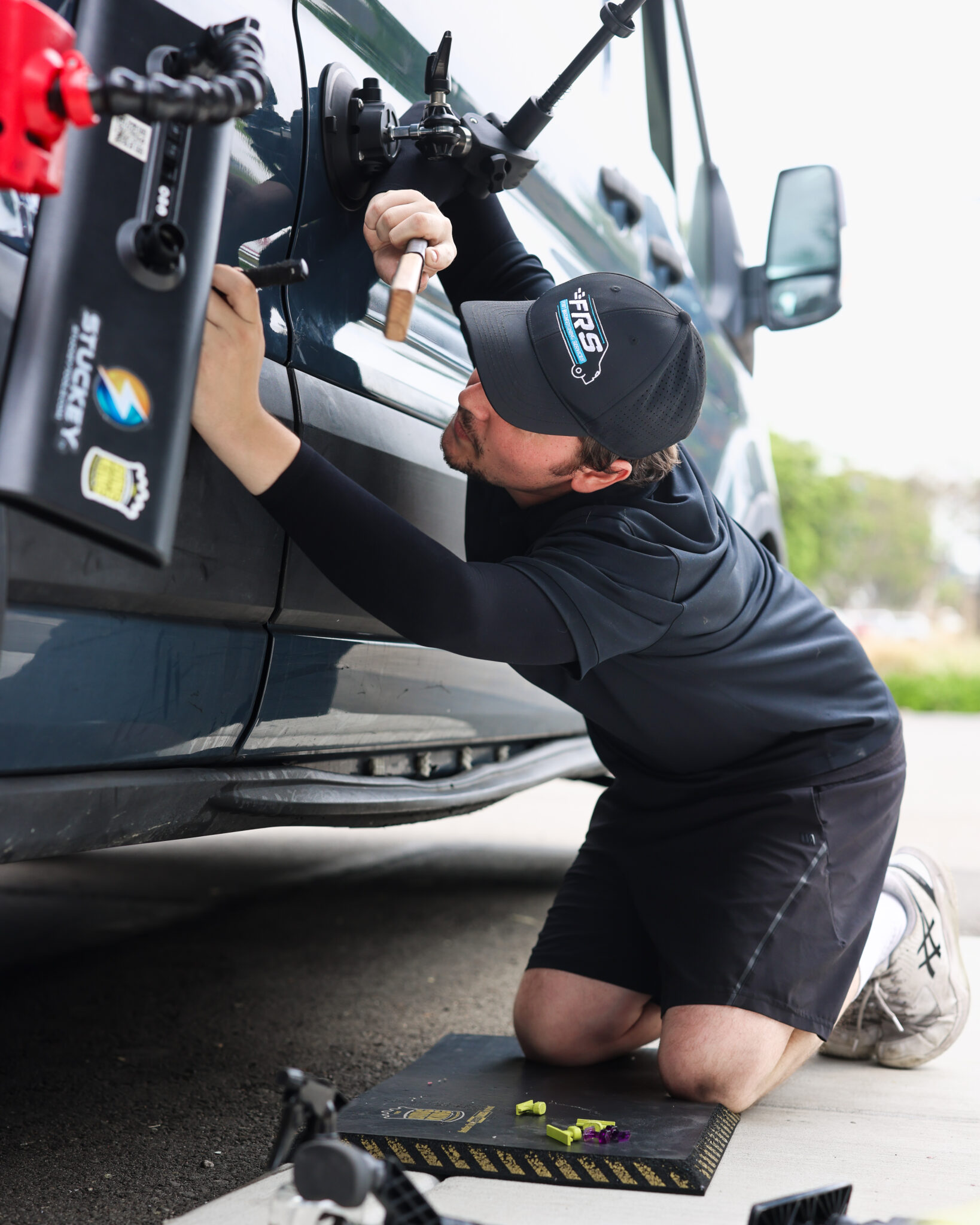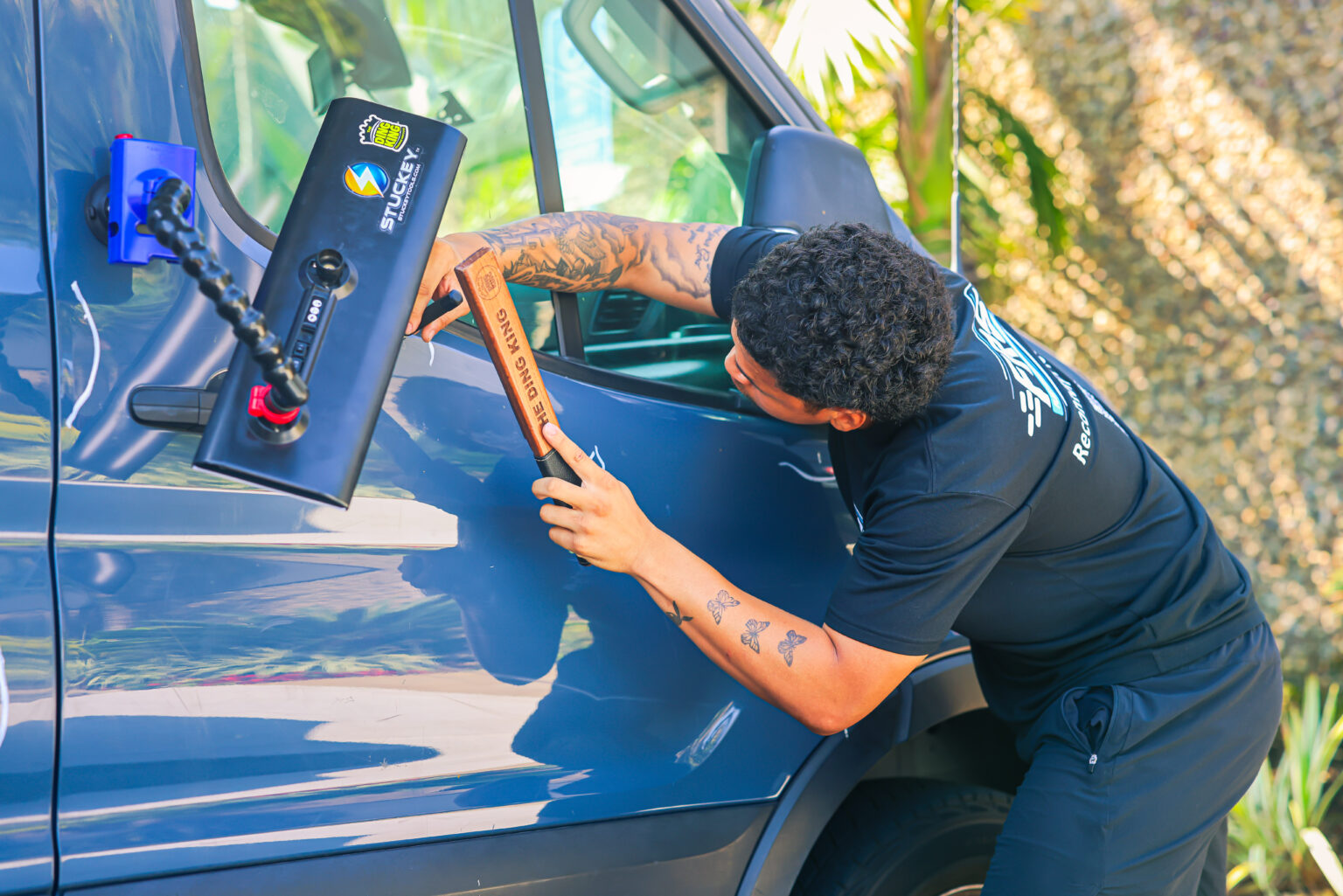
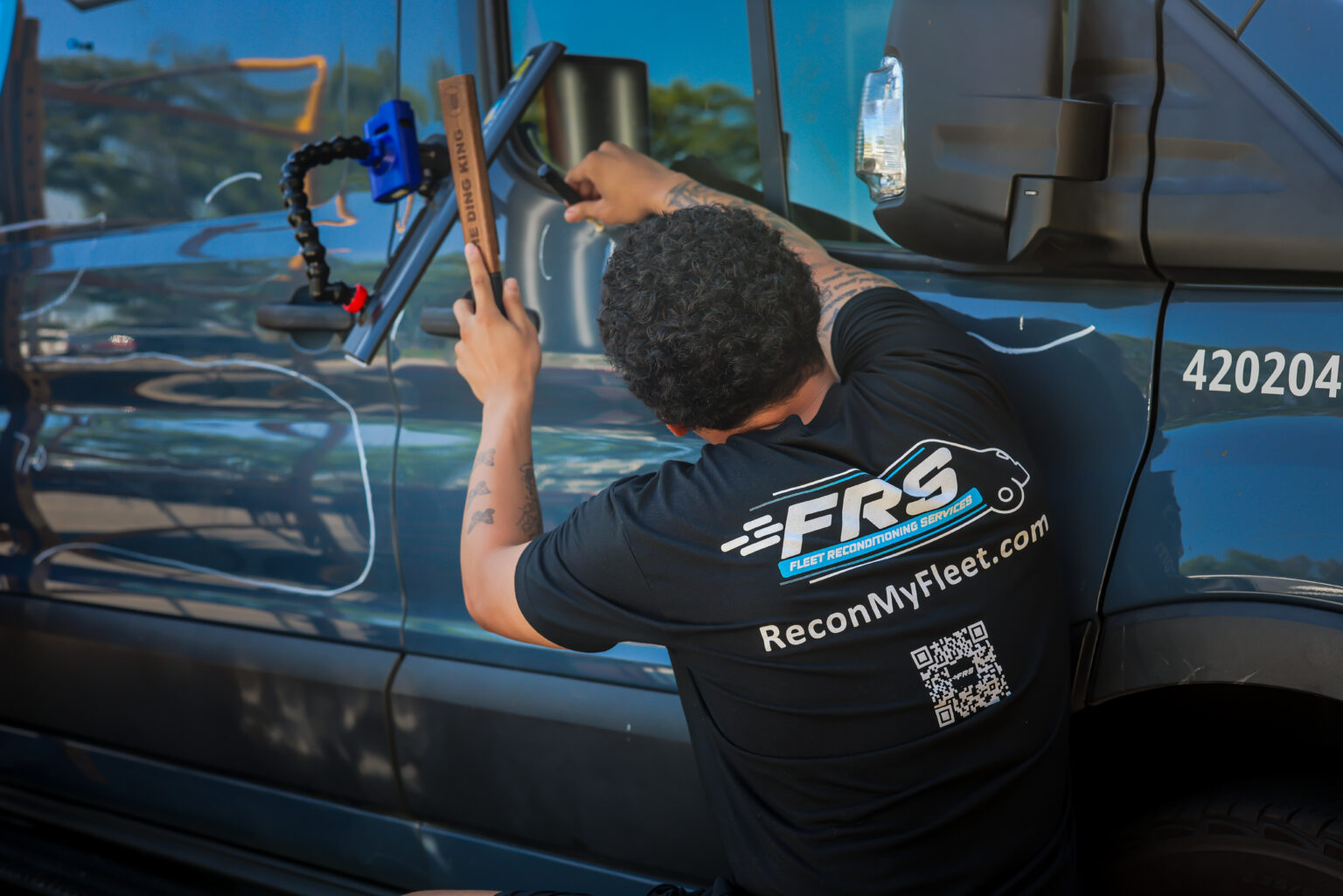
Local fleet reconditioning rethinks the traditional service model. Instead of sending a vehicle across town to a distant body shop, FRS routes it to a local repair facility staffed with trained technicians and the right equipment, performing qualifying reconditioning work close to where the fleet operates. For high-utilization fleets, this isn’t just convenient; it changes the underlying economics of keeping vehicles available.
The problem local facilities solve
As covered in our article on downtime, the biggest driver of lost availability is often not the repair itself but the transport around it: the round trips, the drop-offs, the waiting. Every one of those legs is time the vehicle can’t run a route. Keeping the facility local, paired with valet pickup and delivery, cuts them down.
- Short trips to a nearby facility instead of a long haul across town.
- Valet pickup and delivery so staff don’t lose time shuttling and retrieving vehicles.
- Work scheduled around the fleet’s operating hours, including overnight windows.
- Multiple vehicles coordinated through a single local facility.
Why high-utilization fleets benefit most
The higher a fleet’s utilization, the more every hour of availability is worth, and the more painful transport-driven downtime becomes. Delivery vans, DSP fleets and service vehicles that run hard every day gain the most from keeping repair local, because the opportunity cost of an idle vehicle is highest for them.
The FRS approach
Local repair facilities and valet service are core to how Fleet Reconditioning Services is designed. Combined with a 3–5 day turnaround target, the model is built to keep qualifying reconditioning work from ever pulling a vehicle far out of its home territory, reducing downtime, logistics cost and disruption in one move.
The fastest repair is the one that keeps the vehicle close to home.
Frequently asked questions
- What can be done at a local fleet reconditioning facility?
- Local FRS facilities typically cover cosmetic reconditioning, paintless dent repair, wear-and-tear work, paint touch-ups and damage assessments, the qualifying work that doesn’t require a specialized collision shop.
- Is local reconditioning as high-quality as a distant shop?
- For the work it’s suited to, yes. The same trained technicians and standardized processes are used; only the location is closer. Heavy structural or collision work still belongs in a specialized facility.
How FRS can help
Fleet Reconditioning Services
The FRS Editorial Team publishes educational guidance on commercial fleet reconditioning, fleet uptime and vehicle lifecycle management, drawing on more than three decades of reconditioning and technician-training experience across the Fleet Reconditioning Services and Ding King organizations.